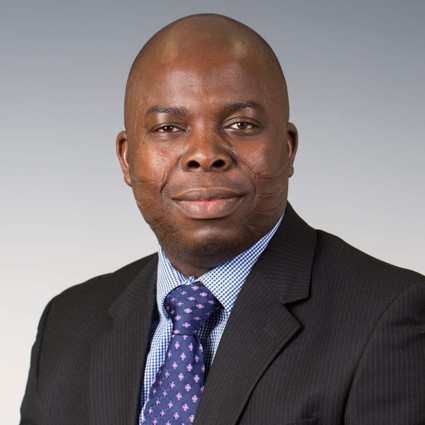
Engineering energy and mobility.Writing about how nations work.
Research and technical leadership in energy, automotive systems, data and AI—alongside writing on Nigerian institutions, infrastructure and government.
The engineering work asks how physical and digital systems behave. The public writing asks why institutions so often fail to deliver the outcomes they promise.
WHEN the Independent National Electoral Commission (INEC) announced on May 22, 2025, that it had established an Artificial Intelligence (AI) Division to introduce the technology into its electoral activities ahead of the 2027 general elections, I received the news with unease. Not because I opposed the technology. As a technology leader who has developed and […]
Nigeria's water crisis mirrors its electricity crisis. But a nation cannot build prosperity by requiring every family to become its own water utility and electricity provider. Individual ingenuity cannot substitute for public institutions.
We must rediscover the value of collective provision. Water and electricity should not depend on a household's ability to finance its own infrastructure. Government must provide reliable services, while citizens share responsibility for sustaining them. A borehole may solve a family's water problem, and solar panels its electricity problem. Neither, by itself, builds a functioning society.
As a six-year-old boy returning from school, I knew nothing about reservoirs, treatment chemistry or public budgets. I only knew that I could reach the tap in front of our compound, cup my palms and drink clean water. That simple privilege was made possible by collective infrastructure.
On October 8, 2026, Finance Minister Taiwo Oyedele announced a 30-day petrol discount at NNPC stations, prioritising public transport. He proposed a ₦1,350-per-litre ex-gantry or landing-cost ceiling, with suppliers temporarily absorbing excess costs for later recovery.
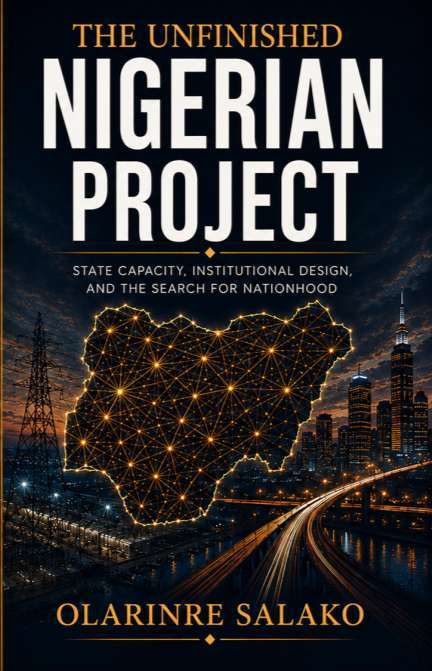
Essays on State Capacity, Institutional Design, and Nigeria’s Search for Nationhood. A systems-oriented examination of constitutionalism, governance, infrastructure and national development.
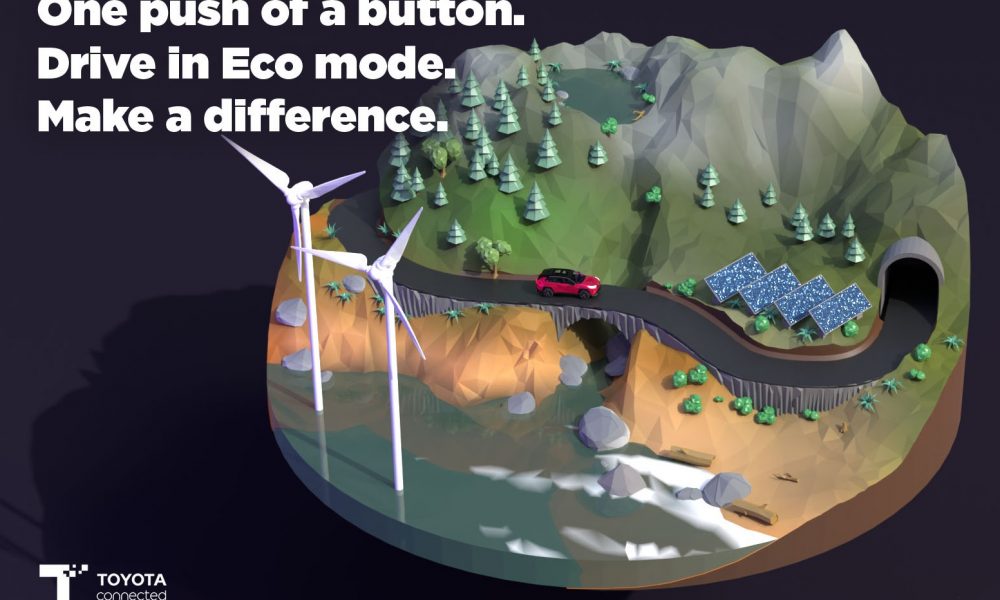
Salako has worked in university research, government-funded energy programmes, automotive technology and independent advisory roles. His technical work covers subsurface monitoring, carbon management, electrification, connected vehicles, data and AI.
20+years across industry and research3continents of collaborative work
WHEN the Independent National Electoral Commission (INEC) announced on May 22, 2025, that it had established an Artificial Intelligence (AI) Division to introduce the technology into its electoral activities ahead of the 2027 general elections, I received the news with unease. Not because I opposed the technology. As a technology leader who has developed and […]
Nigeria's water crisis mirrors its electricity crisis. But a nation cannot build prosperity by requiring every family to become its own water utility and electricity provider. Individual ingenuity cannot substitute for public institutions.
We must rediscover the value of collective provision. Water and electricity should not depend on a household's ability to finance its own infrastructure. Government must provide reliable services, while citizens share responsibility for sustaining them. A borehole may solve a family's water problem, and solar panels its electricity problem. Neither, by itself, builds a functioning society.
As a six-year-old boy returning from school, I knew nothing about reservoirs, treatment chemistry or public budgets. I only knew that I could reach the tap in front of our compound, cup my palms and drink clean water. That simple privilege was made possible by collective infrastructure.